

The long answer
Sculptural flower candles, and why ours have no scent in them
A sculpted candle is an object first and a candle second. This is what that means in practice, how a beeswax flower candle is made petal by petal, and what to expect from one once it is on your table.
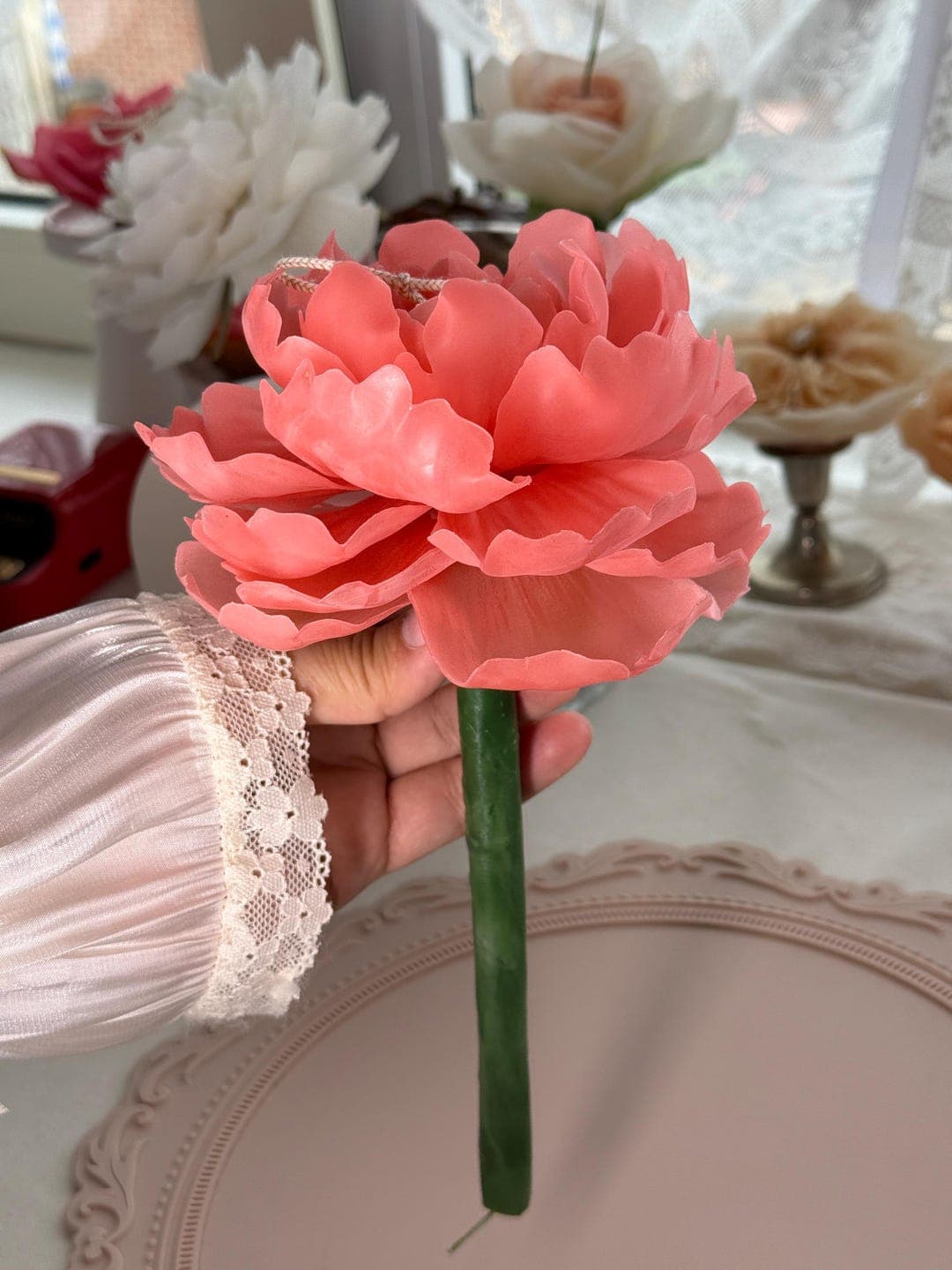
What a sculptural beeswax flower candle actually is
Start with the thing itself. Take pure beeswax, warm it until it will hold a shape, and work it into petals. Set the petals around a cotton wick, one at a time, until they close into a flower. Let it cool. What you are left with is a flower made of wax that will sit on a table for years, and that will burn if you ever decide to light it.
The category has several names and they all describe the same object. People say sculptural candle when they are thinking about design, sculpted candle when they are thinking about the making, flower shaped candle when they are describing it to someone else, and botanical candle when it sits alongside dried stems and ceramics on a shelf. Underneath all four is one idea: the shape is the product, and the wick is a detail.
That is the opposite of how most candles are sold. A jar candle is a container for fragrance; the wax is a delivery system and the shape is a cylinder because a cylinder is cheap. A sculptural candle has no container, no fragrance load and no mass production step, so everything that is interesting about it has to be in the form.
It also explains the price. A large peony is a great many petals, each one shaped and placed on its own, and there is no part of that which can be hurried or handed to a machine.
A decision, not an omission
Why there is no fragrance in these
Search for a flower candle and almost everything that comes back is a scented candle that smells of a flower. Peony, rose, jasmine, in a glass jar, with a wooden lid. Those are good products. They are not this one, and the difference is worth stating plainly, because it is the single thing people most often assume.
Nothing here is scented. Not lightly scented, not naturally scented with essential oils. Nothing is added to the wax at all. Pure beeswax carries a faint honey smell of its own, which comes up gently when the candle is lit and is barely there when it is not.
There are three honest reasons for that. Fragrance oil competes with a room instead of sitting in it, and an object that lives permanently on a table should not insist on being noticed. Fragrance also fills a house whether or not anyone asked, which is a real problem for people who cook, who have asthma, or who simply do not want their living room to smell of anything.
The third reason is simpler. The material is doing the sculpture here, and beeswax already smells like itself. There was never a good argument for covering that up.
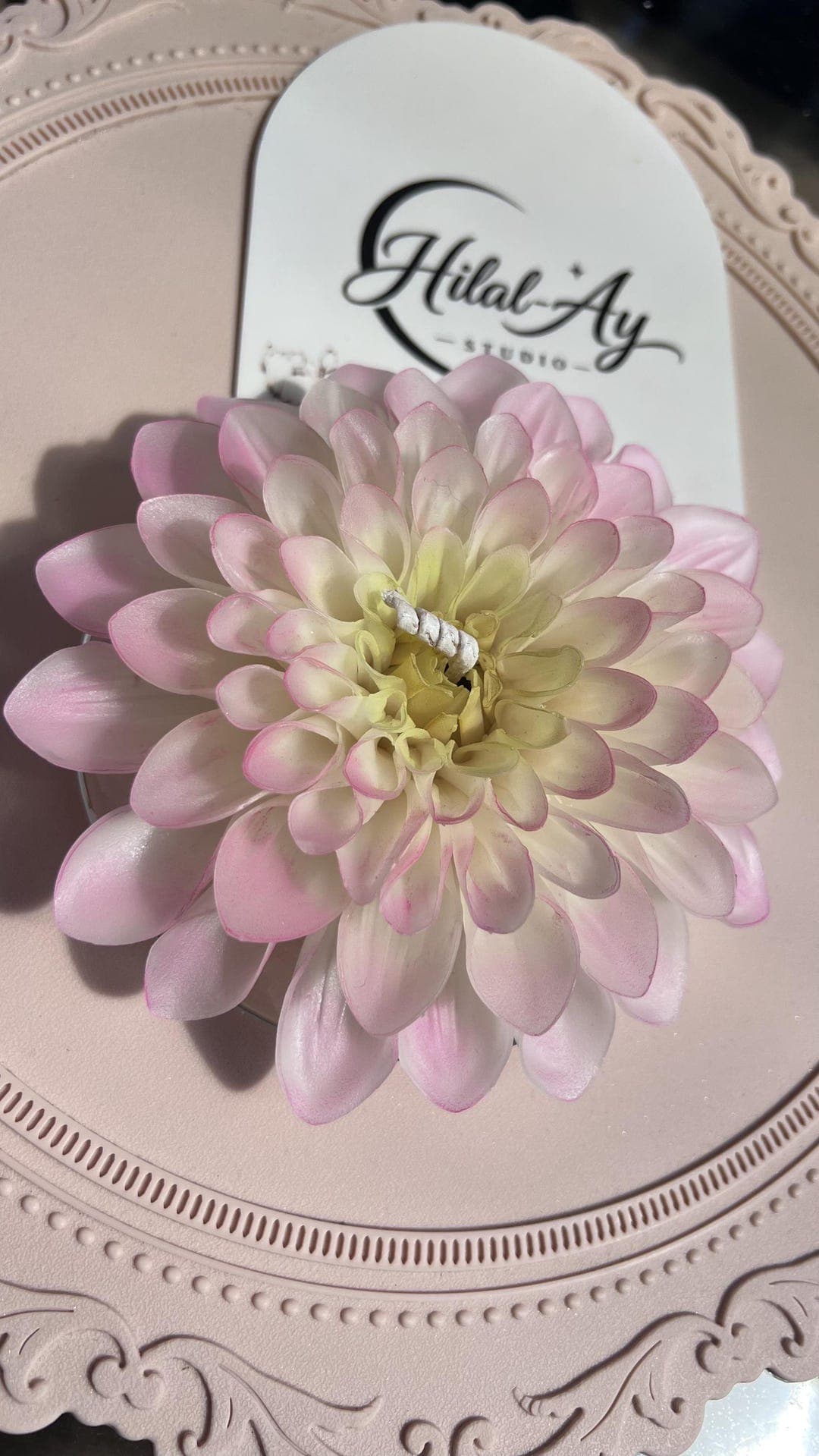
Petal by petal
How one flower gets made
The making is quick to describe and slow to do. There is no production line in it and no step where a machine takes over.
One
The wax
Pure beeswax is warmed until it will take a shape and hold it. Nothing is blended into it and nothing is added for scent.
Two
The petals
Each petal is formed on its own. A peony needs a great many of them, in several sizes, and they are not interchangeable.
Three
The flower
The petals are set around a cotton wick, smallest first, working outwards, until the flower closes and looks like it grew that way.
Four
The finish
It is left to cool and set completely, checked, and packed by the same person who shaped it.
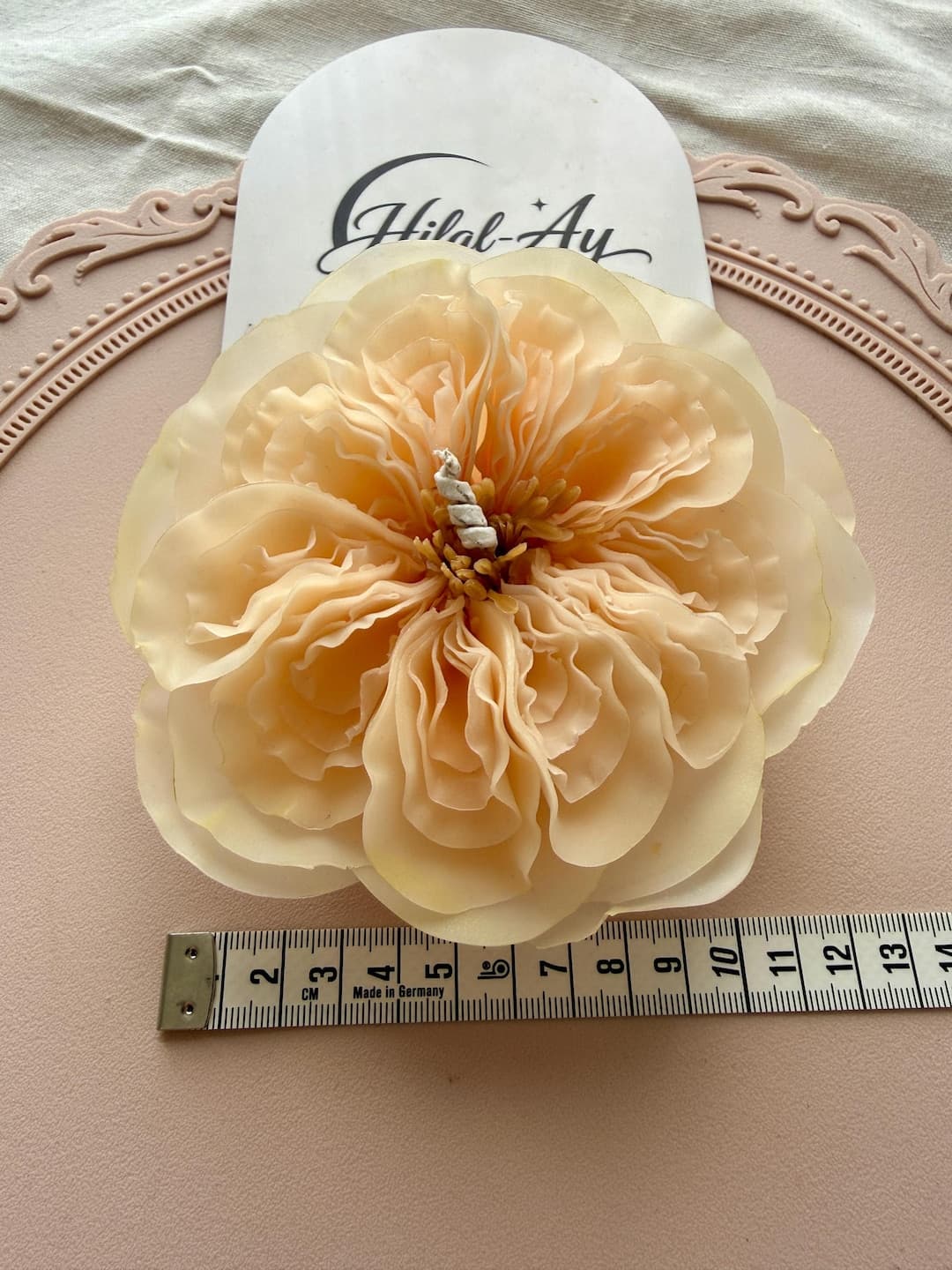
Which is why no two match
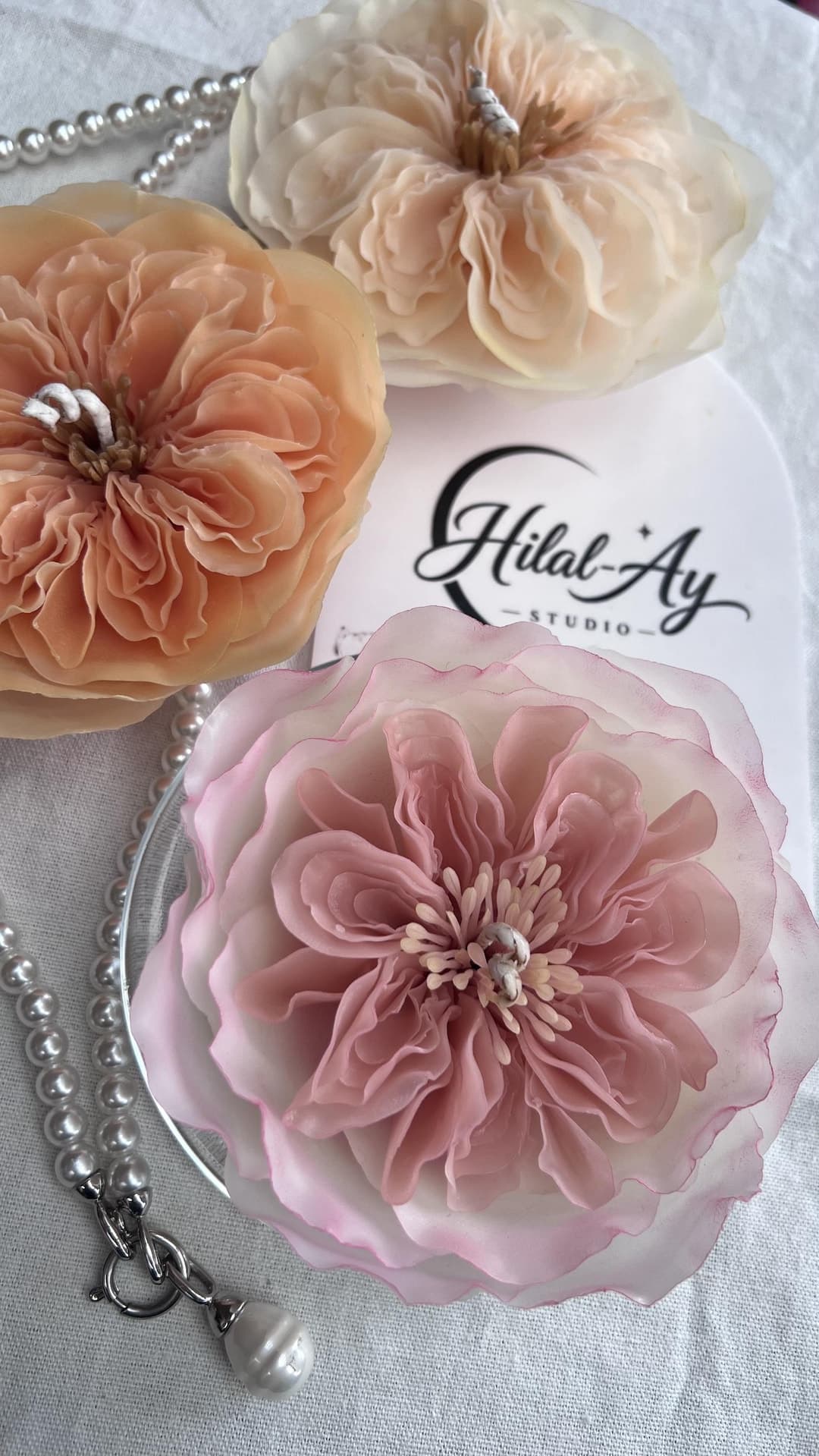
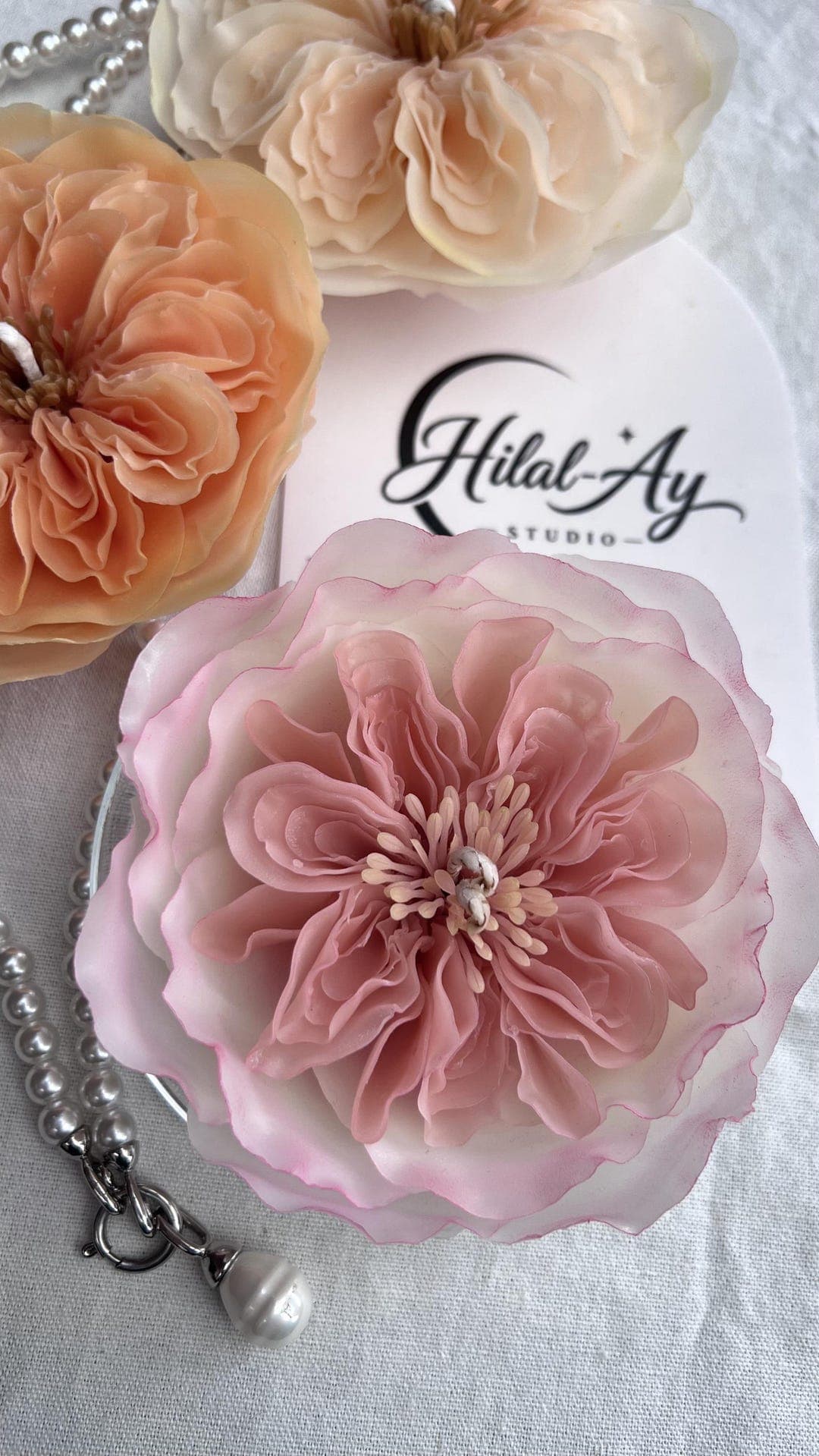
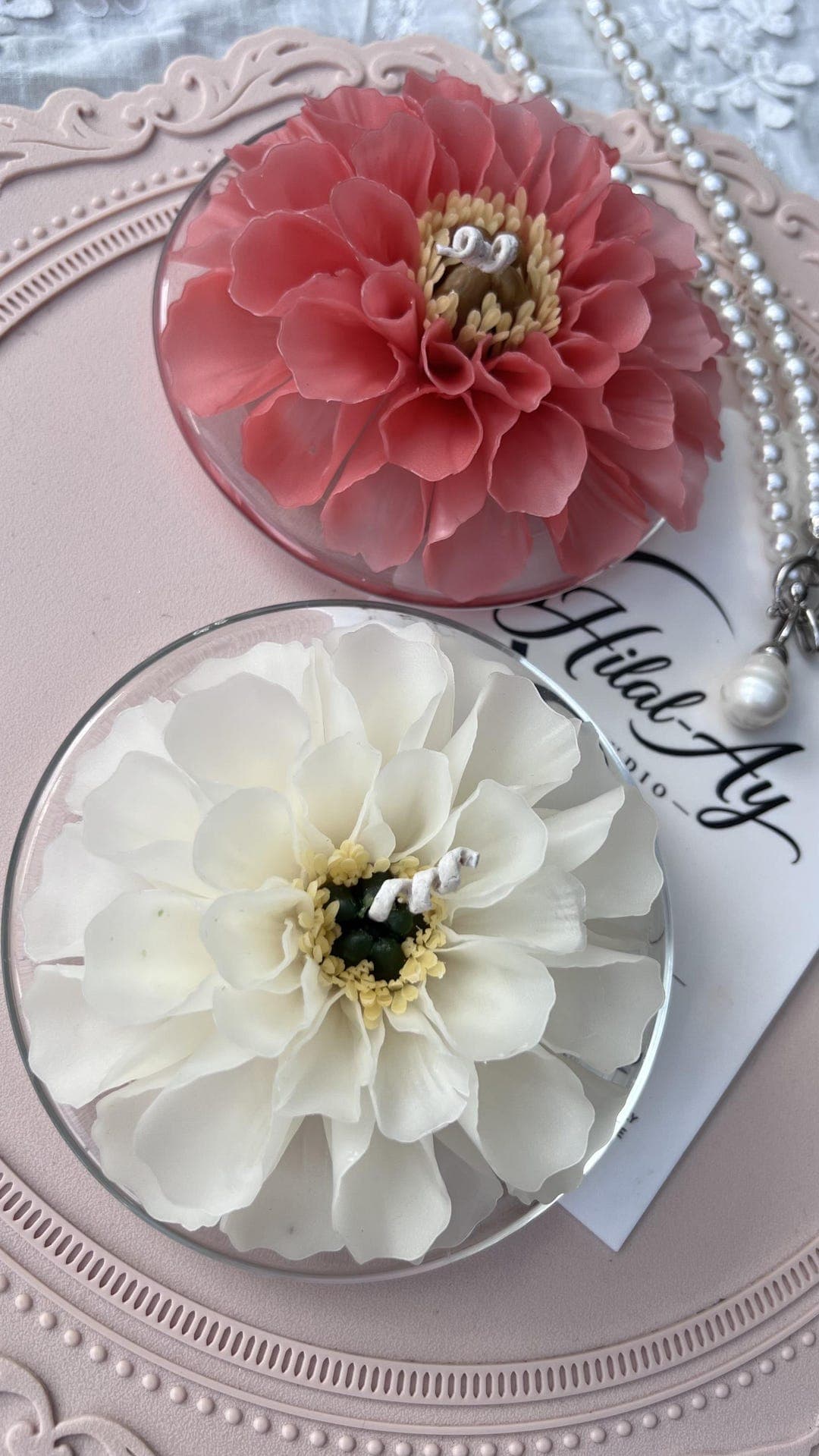
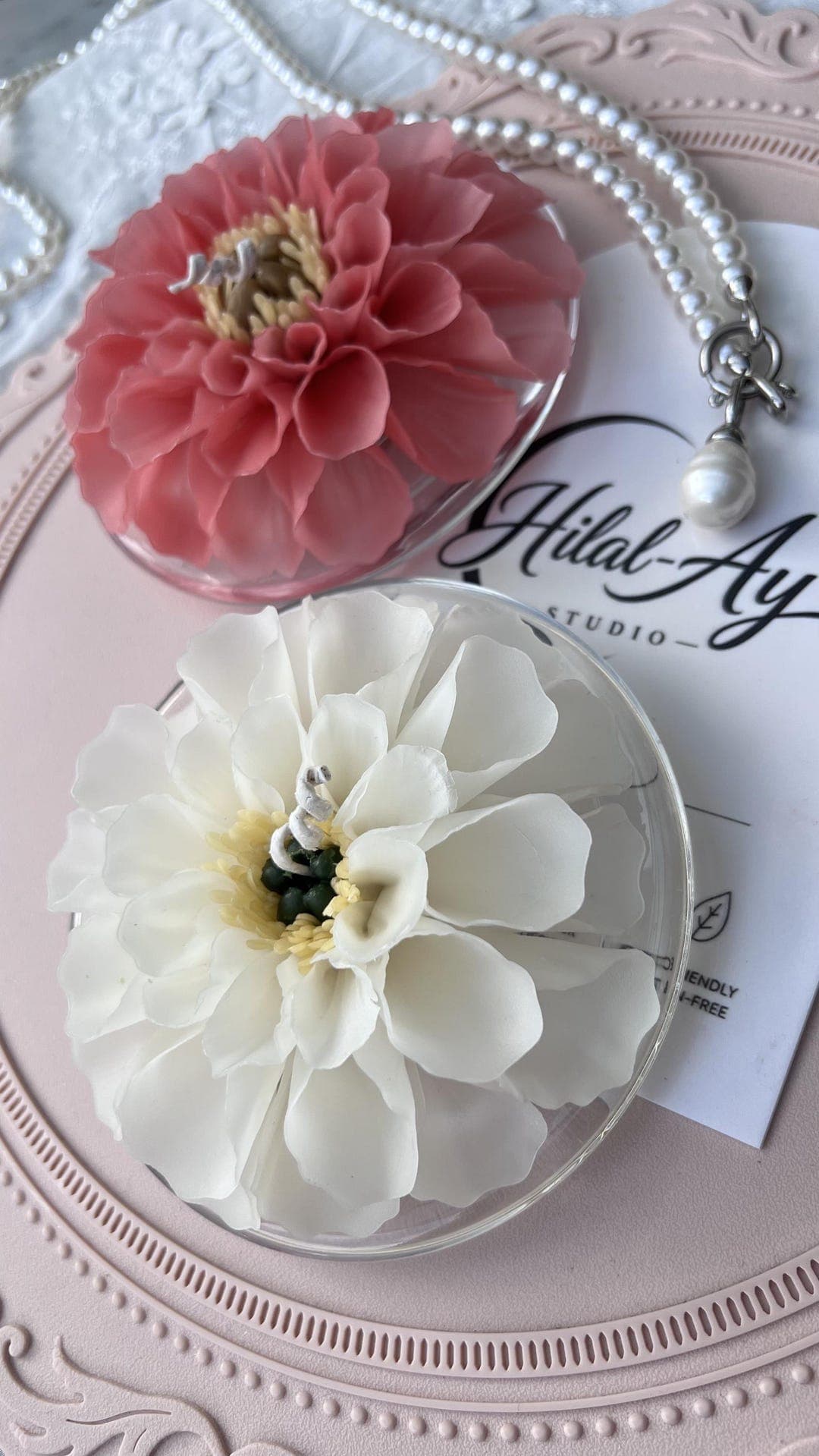
Every candle is individually handcrafted. Slight variations in colour and shape make each piece one of a kind. A petal sits a millimetre further out, a colour lands a shade warmer, a bloom opens slightly wider. None of that is a fault to be corrected.
It is the reason a hand-sculpted flower reads differently from a moulded one across a room, even when you cannot say why.
The range
Five flowers, two shapes
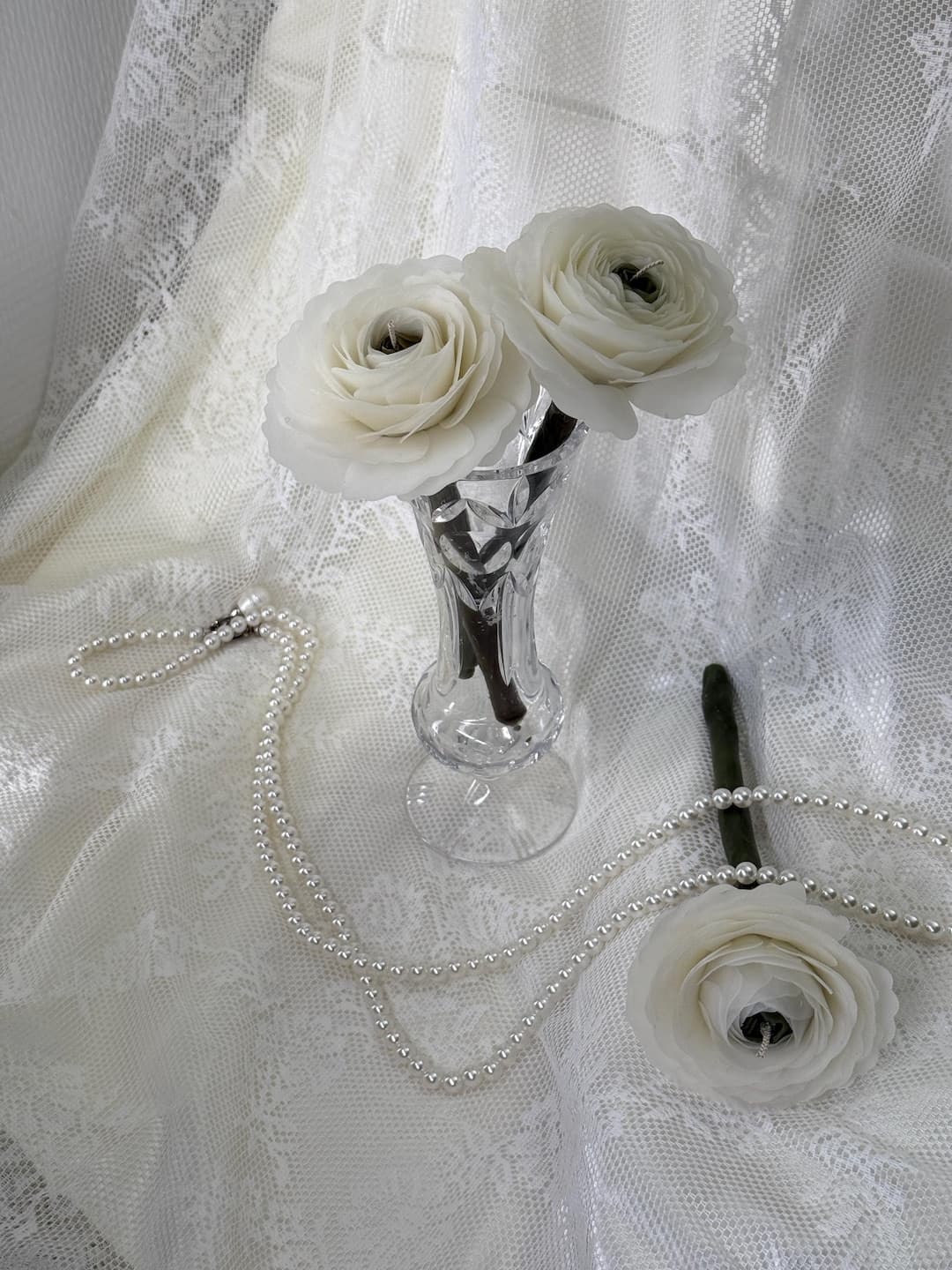
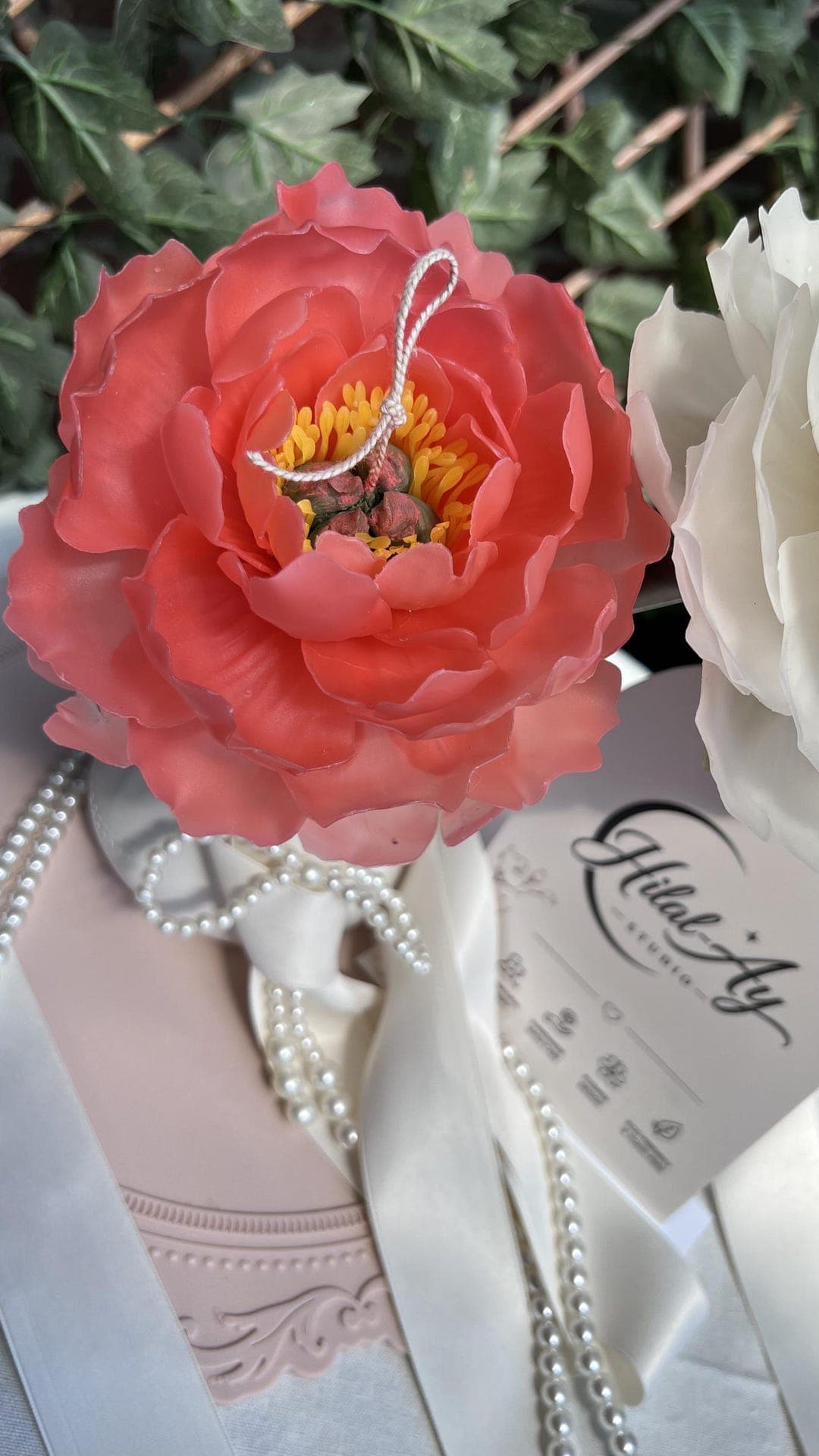
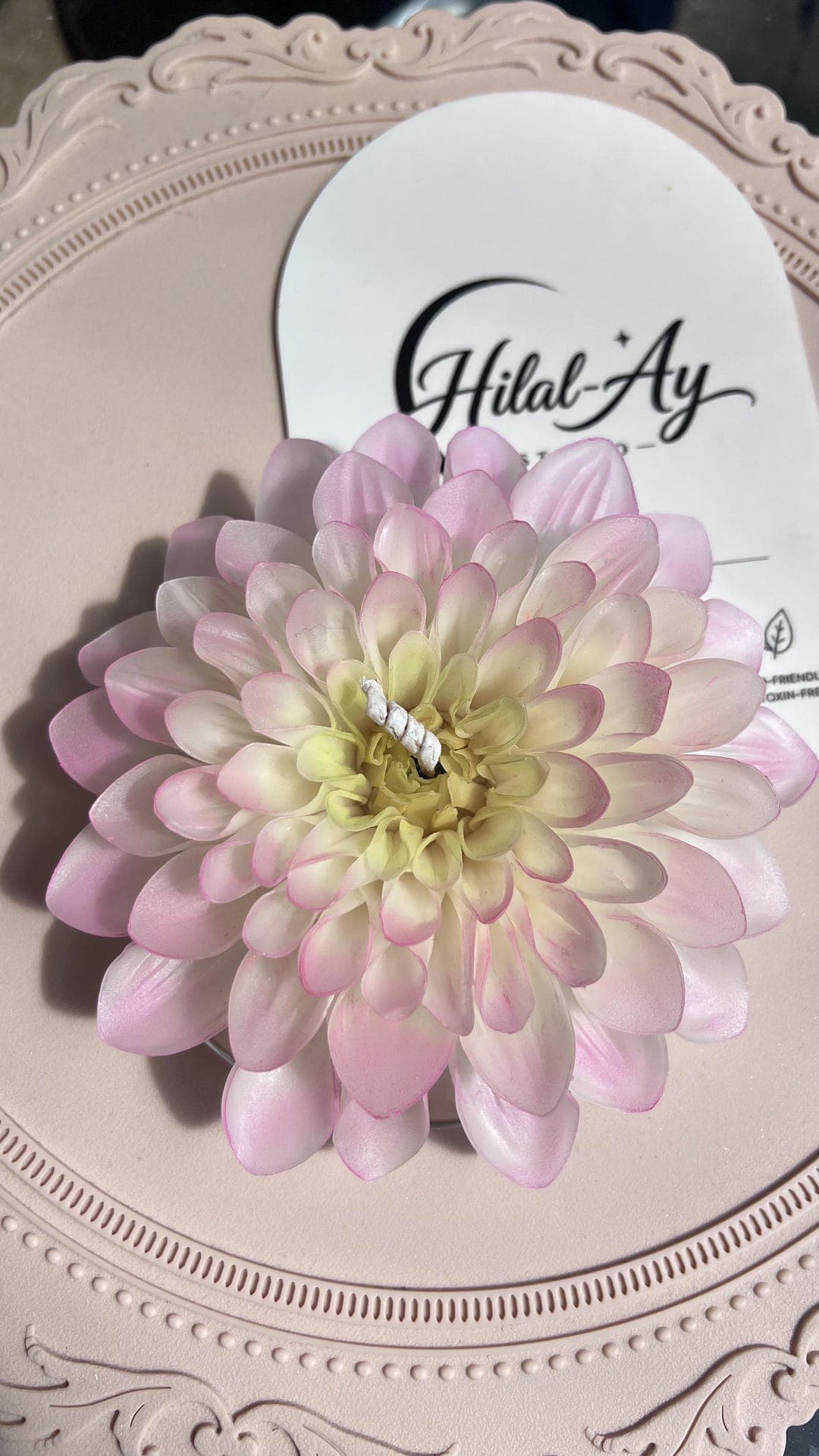
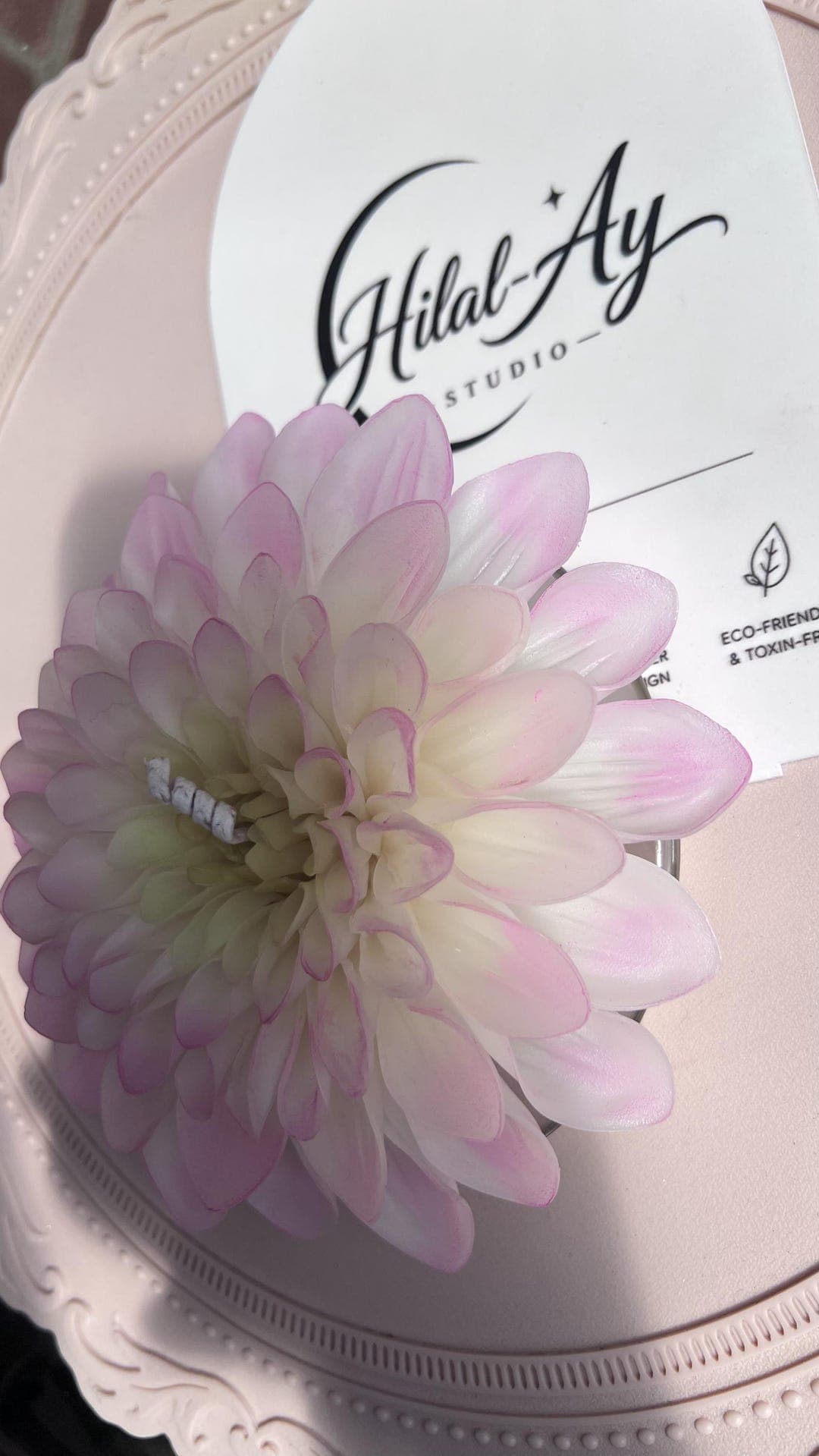
Two of them are stemmed, built on a long stem so they stand in a vase like a cut flower. Three are blooms, single flower heads that rest flat on a table. Every one of them is pure beeswax, unscented and made to order.
Stemmed
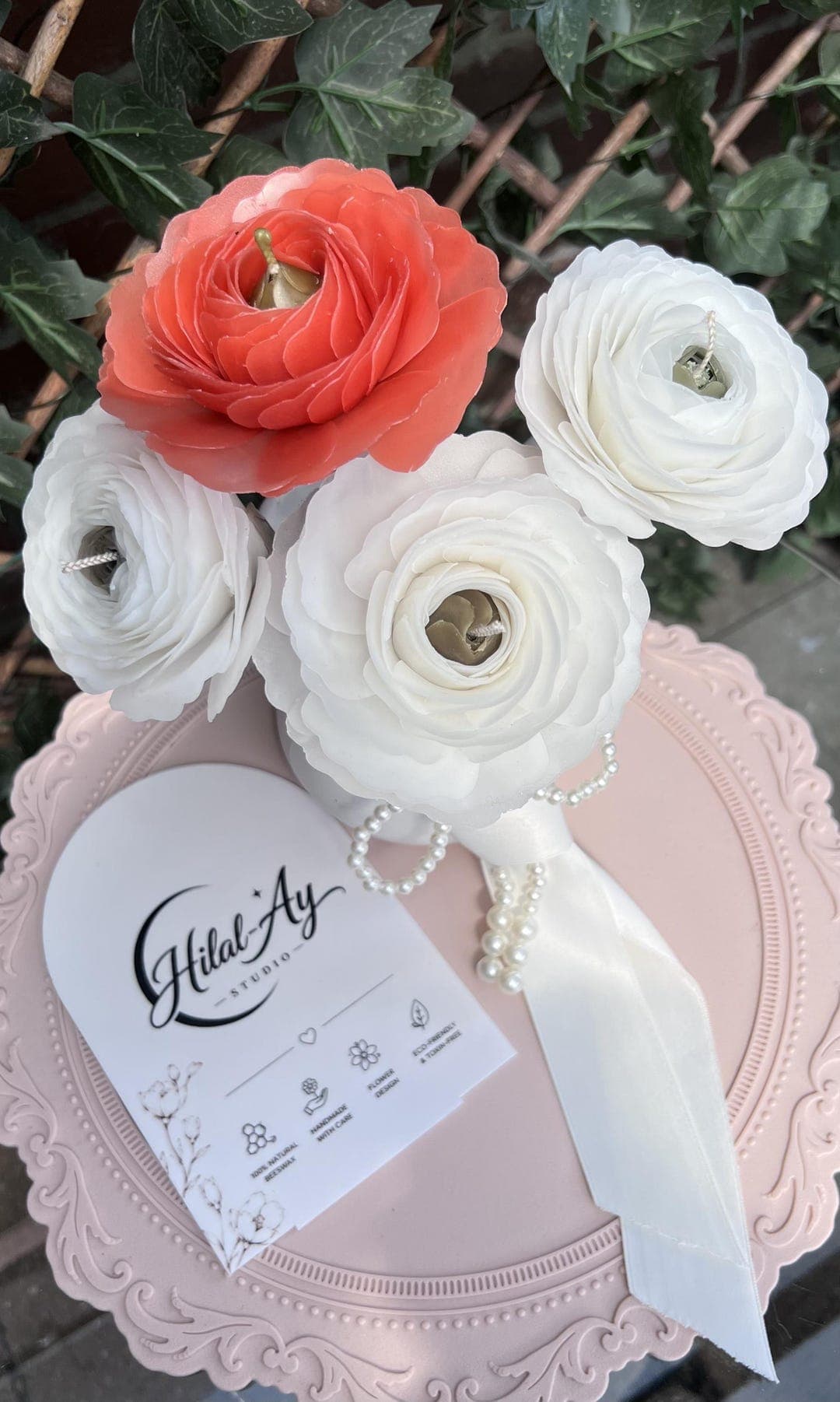
Blooms
Living with one
Unlit, or lit once
Many of these never get lit, and that is a perfectly good way to own one. Keep it out of direct sunlight, away from a radiator and somewhere cool, and it stays the flower you unwrapped.
If you do light it, expect it to change. It is wax, and wax that has burned does not go back. Some people light one for an hour on an evening that mattered and then keep it exactly as it stopped.
Before you light it
- Burn on a heat-resistant surface.
- Never leave a burning candle unattended.
- Keep away from children, pets and flammable materials.
- Trim the wick to approximately 5 mm before each use.
- Do not burn for more than 4 hours at a time.
- For indoor use only.
- Allow the candle to cool completely before moving.
- Store in a cool, dry place away from direct sunlight.
Questions people ask first
What is a sculptural candle?
A candle whose shape is the point. Instead of a jar or a pillar, the wax is worked into a form — here, a flower. It is made to sit on a table and be looked at. It will burn, but nothing about it is designed around burning it quickly.
Are these candles scented?
No. Nothing is added. Pure beeswax has a faint honey smell of its own, strongest when it is lit, and that is the only smell there is. If you want a fragranced candle, this is not one.
What are they made of?
One hundred per cent pure natural beeswax and a cotton wick. No paraffin, no soy, no blends, no dye systems beyond the colour of the wax itself, and no plastic in the finished piece.
Can I actually burn it, or is it only decorative?
It is a real candle with a cotton wick and it burns. Many people keep theirs unlit, because the shape is the reason they bought it. Both are fine. If you do light it, expect the flower to change as it burns, and not to change back.
Will mine look exactly like the photograph?
Close, but not identical. Every petal is placed by hand, so the shape, the set of the petals and the exact tone of the colour move a little from one flower to the next. Slight variation is the evidence that a person made it.
How long does an order take?
Each candle is made after you order it rather than taken off a shelf, so it does not ship the same day. If you need one for a particular date, write to the studio before you order and you will get an honest answer about whether it can be done.
Can I ask for a colour or a flower that is not listed?
The listed colours are the ones held in the studio, so those are the choices on a normal order. Anything beyond that is a custom order, which starts with a conversation rather than a checkout.
Where are they made and where do they ship from?
They are made and posted from a small studio in the Netherlands. Shipping within the Netherlands is free; everywhere else is calculated at checkout.
See them properly
Photographs of every flower, from every side, with the real measurements next to them.